
Archived decisions

PROVIDING ORAL EVIDENCE TO A SELECT COMMITTEE INQUIRY
GUIDANCE NOTES
Why Do I have to Give Written Evidence First?
An Inquiry Panel's time for taking oral evidence is limited so ideally all witnesses, even those whom an Inquiry Panel expects to invite to give oral evidence, are encouraged to submit written evidence; this not only makes oral evidence hearings more productive, as members use the written evidence to prepare useful areas of questioning, but also means that if witnesses are not invited or cannot attend to give oral evidence the Inquiry Panel still has the benefit of their views.
Following the initial written evidence the Inquiry Panel will invite those witnesses they wish to question to an oral session
Can I Know The Questions Beforehand?
It is often possible, with the Panel's agreement, to assist witnesses with their preparation by informing them of the possible lines of inquiry but witnesses should not expect Panel members to restrict themselves to these areas only.
Public / Private:
Inquiry Panels nearly always take their evidence in public so that you should expect there may be others observing or even recording the Hearing. If there is a good reason why you want to give some or all of your evidence in private you will need to discuss this with the Democratic services Officer or Scrutiny Manager at the time you are first invited to attend as an oral witness.
What will Happen?
Oral evidence sessions are normally no longer than 2 hours long and there will be likely to be several so that different witnesses can be called.
You may not be the only witness at a session and you will be asked to introduce yourself at the outset.
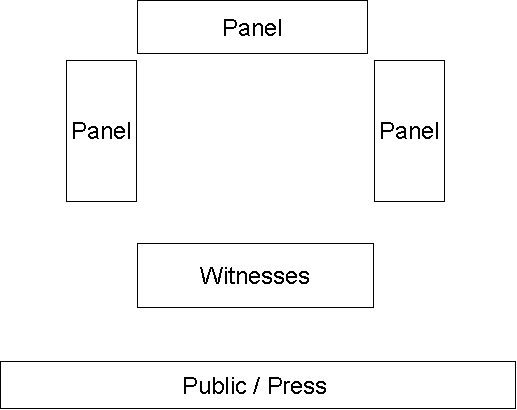
The room layout will be formal and similar to the pattern identified below.
Witnesses at an oral session will not be allowed to make opening or closing statements unless specifically requested to do so - all such evidence should normally be included in written evidence submitted beforehand. You will be there to answer questions.
Your evidence may be recorded to ensure that vital information is not lost although this will not all be transcribed.
The last witness at the last oral session of an Inquiry will normally be the Executive Member for the relevant area to allow them to provide the overview and policy context.
What will happen to my Oral Evidence?
· Oral evidence sessions may be recorded.
o Where they are recorded only those parts of the oral evidence that are contentious or are considered especially significant to the recommendations of the Panel will be transcribed and may be used in the report.
o If the session was recorded then at the end of the Oral sessions witnesses may request to see any transcripts of evidence they have given.
Further Questions:
If you have any further questions about the process the scrutiny officer supporting the review should be able to respond to these.