Nature and Mental Wellbeing
Spending time in nature is proven to reduce anxiety and depression, help with emotional regulation and improve our physical health such as lowering blood pressure. Engaging with nature helps bring a sense of meaning and belonging, reducing feelings of loneliness. Connecting with nature rather than simply being in it is proven to bring the most benefits.
‘Nature’ can be anything from green spaces like parks, countryside or forests to places by the water like rivers, canals, wetlands, or beaches. But also ‘every day’ nature such as urban street trees and verges, private gardens, or even houseplants and window boxes. They are all good for our mental wellbeing.

What is Nature Connection?
‘Nature Connection’ means the way we relate to and experience nature. Feeling we have a close relationship or an emotional attachment to our natural surroundings builds a strong connection to nature. This can help us feel calm, creative, more focussed, less anxious or depressed. Ways we can develop our connection with nature include:
- Activities that involve the senses – why not explore our range of Sensory Walking Trails to really tune in and notice our surroundings
- Activities where we feel emotions such as joy and calm
- Noticing beauty in what is around us
- Finding meaning in nature
- Having compassion by taking actions that are good for nature and climate
These five things are called the ‘pathways to nature connection’ and are based on research. They really help us notice nature and bring benefits to how we feel.

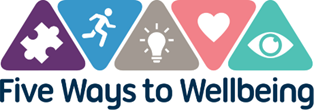
Five ways to wellbeing
The Five Ways to Wellbeing are also really easy to do in nature. We have structured the below sections to help you achieve each of the Five Ways to Wellbeing outside.