
Signs of hope for our coastal birds
A look at how our coastal breeding birds have fared in 2025 and the migratory visitors we can look forward to this winter.
read ( words)
Sep 19 2025
Despite changing weather patterns and an especially dry summer, several bird species have shown remarkable resilience across our coastal nature reserves. From the saltmarshes of Lymington and Keyhaven Local Nature Reserve to the reedbeds of Titchfield Haven National Nature Reserve, here are some of the successes our rangers have seen this breeding season. Plus, meet some of the winter visitors that’ll soon be returning to our shores.
Terns at Lymington and Keyhaven Local Nature Reserve

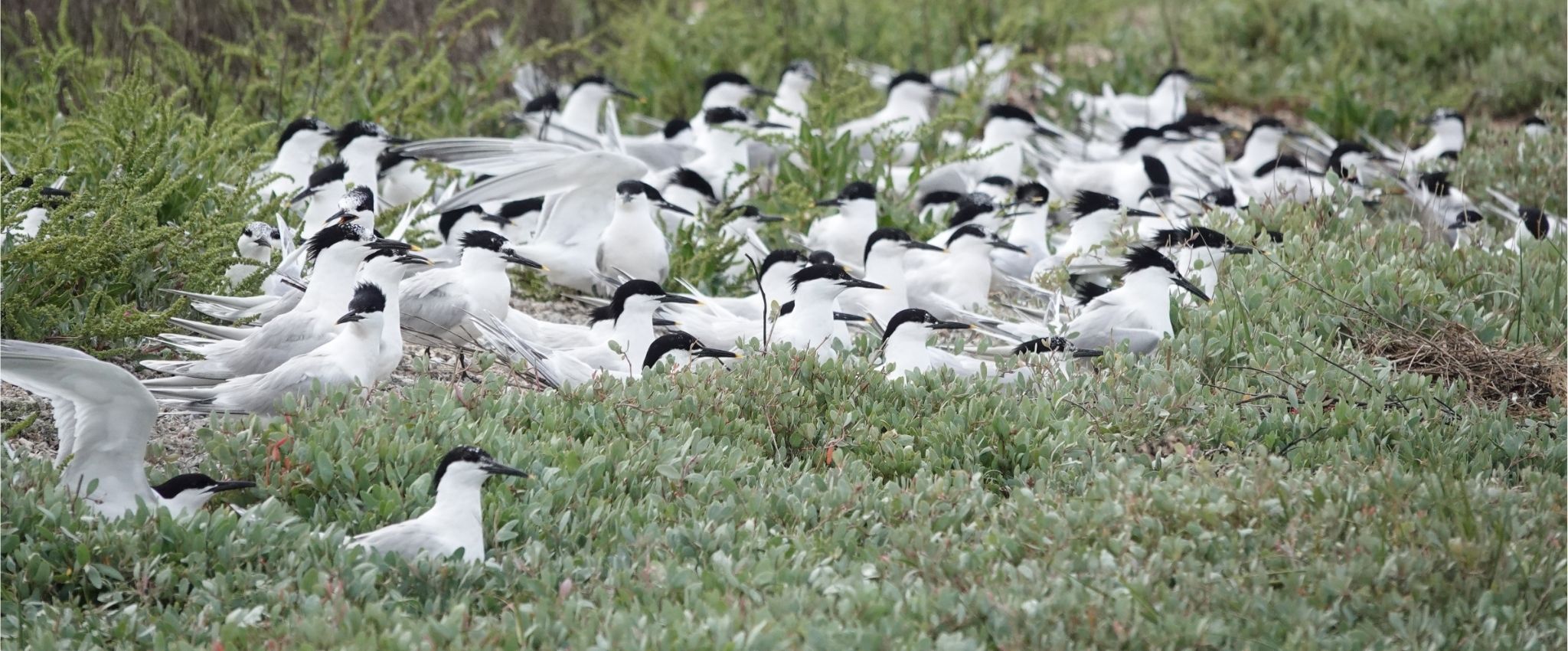
At Lymington and Keyhaven Local Nature Reserve, two of our tern species have done very well despite storms and dry conditions which have impacted many wader species, such as lapwings and redshanks.
Hampshire’s largest ever colony of sandwich terns was recorded in May, with 527 nests counted. While nests in one location were washed away by a storm, the second location fared much better and produced over 120 young.
90 of these young birds had small, numbered bands attached to their legs by licenced bird ringers. These rings help identify the birds as they migrate to their winter feeding grounds off the coast of West Africa. So far, they’ve been spotted in many locations along the south coast of England and even as far as Denmark!
Common terns also thrived this year, with over 100 chicks fledging. One adult bird, which hatched at the reserve in 2022, was found returning to the same lagoon this year, which demonstrates the quality of habitat on the reserve and the abundance of fish for them to eat in the Solent.
To get the site ready for April, when the terns arrive, reserve staff and volunteers clear vegetation from the islands in the lagoons to create areas of bare shingle for nesting. They also set up ‘chick shelters’ made of roofing tiles around the islands to provide protection from predators like gulls and crows.
To find out more about terns, check out our video.
Harriers at Titchfield Haven National Nature Reserve
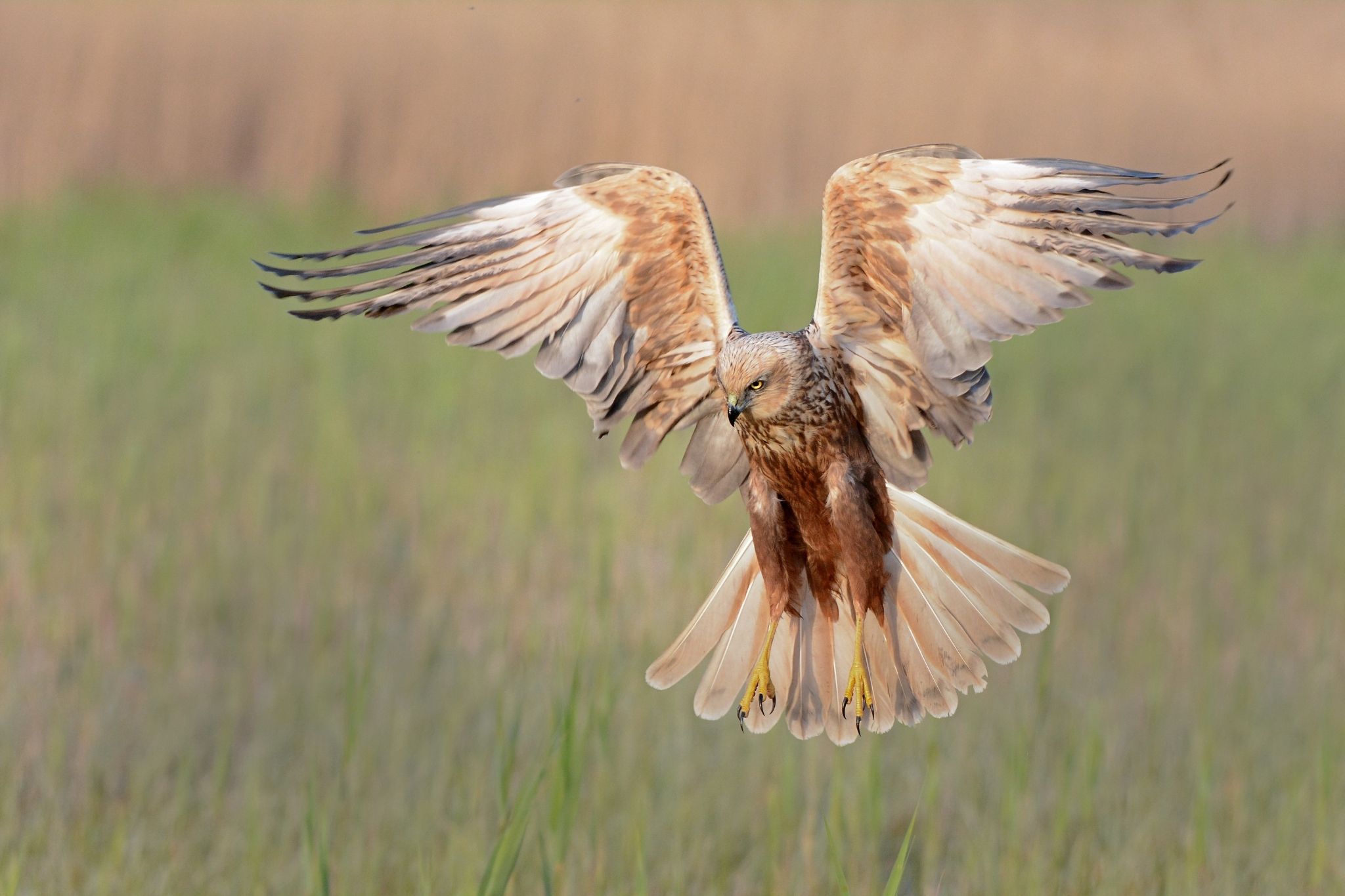
This year, Titchfield Haven National Nature Reserve saw two pairs of marsh harriers breeding for the first time at the reserve, successfully fledging five young in June.
Once extinct as a breeding bird in the UK due to persecution, marsh harriers began breeding again in 1971. Today, there are now around 500 breeding pairs, mainly in East Anglia.
Marsh harriers were spotted nesting at Titchfield Haven in 2017, for the first time in 60 years. Eight years later, to have two breeding pairs and their five young make their home here is a fantastic indicator of the thriving biodiversity and food chains on the reserve.
When pairs are nesting, you might be lucky enough to witness a spectacular courtship ritual known as ‘food passing’. This is when the male flies near the nest and drops food. The female will then catch it mid-air before taking it back to their nest to feed both herself and their young. It’s an incredible display which shows just how agile these birds are.
To find out more about our conservation work, visit the Titchfield Haven website.
Upcoming winter visitors and how you can help protect them
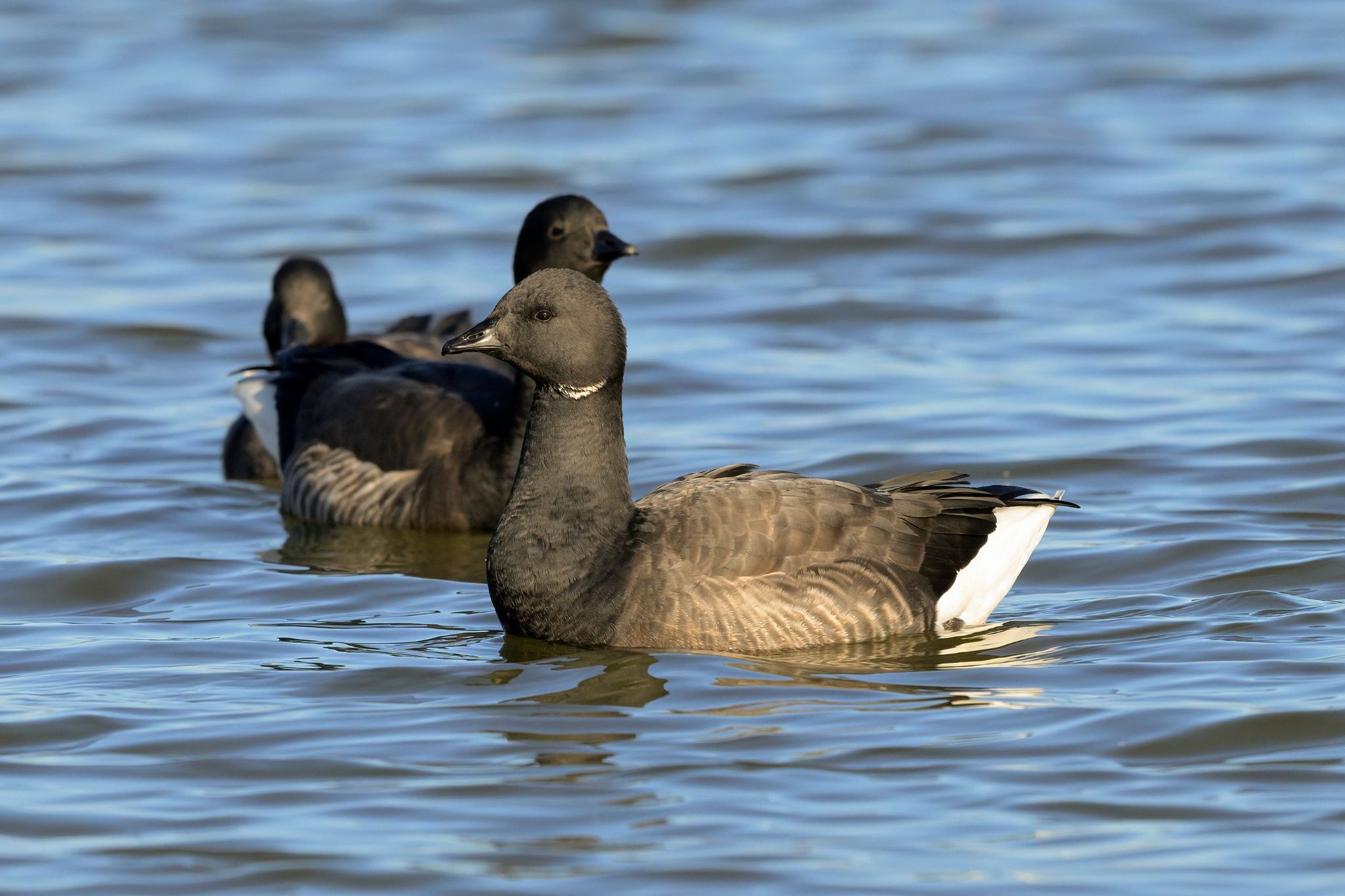
Even in the winter months after the breeding season has drawn to a close, the Solent coast is still alive with activity as migratory birds arrive to feed and rest. You can help protect these seasonal visitors by following the Coastal Code when you're out and about.
Keep an eye out for dark-bellied brent geese – always a spectacular sight – along with black-tailed godwits, dunlins, teals and wigeons.
Our friends at Bird Aware Solent are also gearing up for the next Great Coastal Birdwatch, and they’d love to hear about what you spot. Just spending an hour noting what you see helps form a bigger picture of our coastal birds and how well their populations are doing. So, grab your binoculars, wrap up warm, and get involved!