
Our top 5 places to spot bluebells in Hampshire
Spring is a magical time to explore Hampshire’s countryside. Hampshire Countryside Service manages a wide range of habitats across the county that burst into life as the days grow longer and warmer.
read ( words)
Apr 28 2026
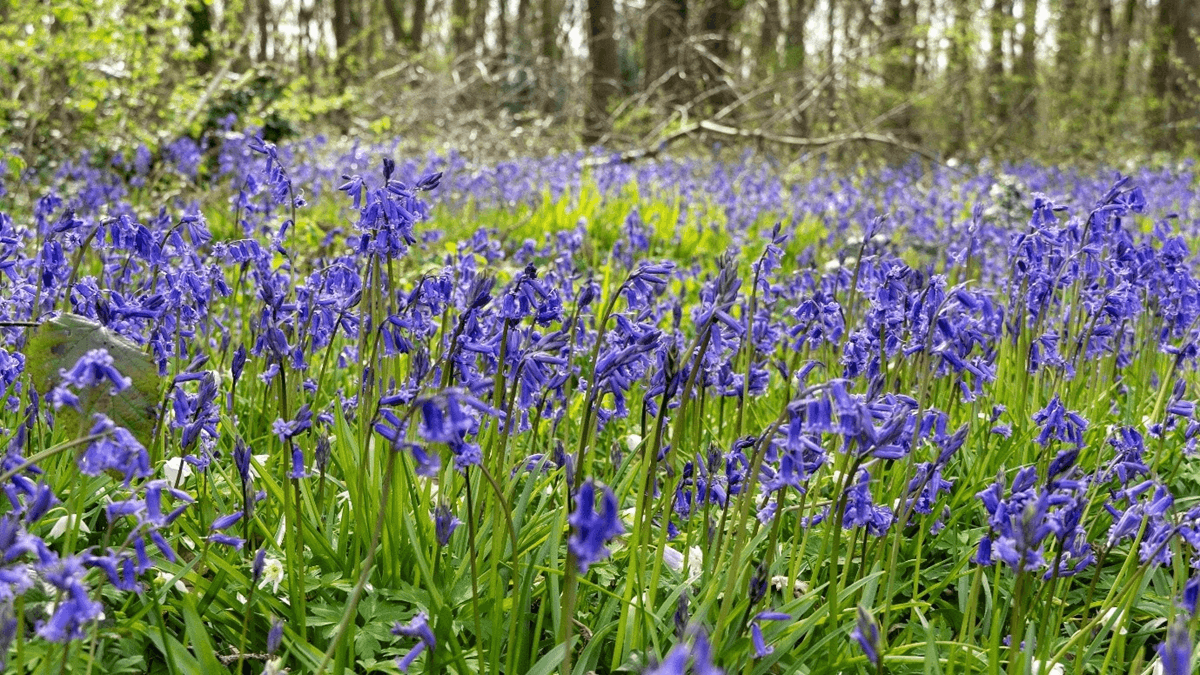
Spring is a magical time to explore Hampshire’s countryside. Hampshire Countryside Service manages a wide range of habitats across the county that burst into life as the days grow longer and warmer. One of our favourite sights of the season is the spectacular arrival of bluebells, transforming ancient woodlands into breathtaking seas of blue and filling the air with their delicate scent.
If you’re planning a spring walk, Hampshire offers endless opportunities to enjoy one of nature’s most beautiful seasonal shows. Bluebells usually reach their peak during the last two weeks of April through to early May, although changing weather patterns mean this can shift slightly from year to year. For the best experience, try heading out early in the morning when paths are quieter and the light is softer, perfect for photography or peaceful wandering.
Here are five of our favourite places to enjoy bluebells this spring.
1. River Hamble Country Park
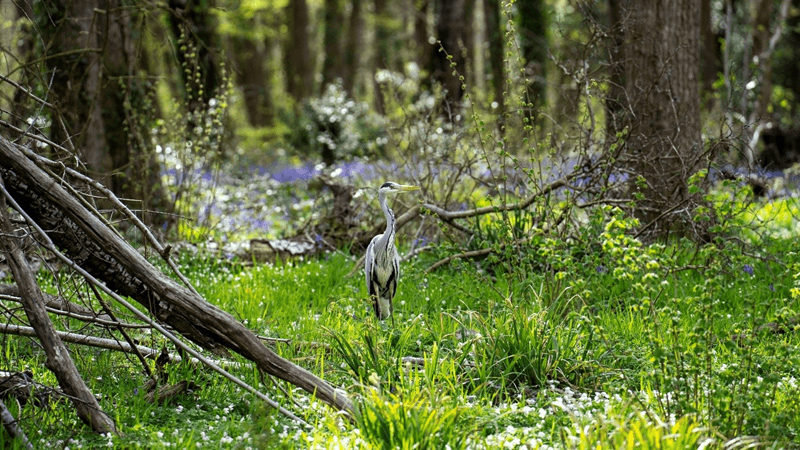
With over 400 acres of stunning countryside, River Hamble Country Park is a must-visit destination in spring. Its ancient woodlands transform into a vibrant carpet of bluebells, making it an unforgettable place for a woodland stroll.
Winding paths lead you from the woods down to the shores of the River Hamble, where you can spot the remains of the Grace Dieu, one of the largest naval vessels of medieval times. Wildlife is abundant here – keep an eye out for roe deer in the woods, curlews along the river, and skylarks calling overhead in nearby fields. Spring also brings a wonderful variety of wildflowers, insects, and reptiles, adding even more colour and life to your visit.
2. Crab Wood

Located in the heart of Hampshire, Crab Wood Local Nature Reserve is a beautiful example of ancient coppiced woodland and a true bluebell haven. Its well-connected network of paths weaves through the trees, creating a fairy-tale landscape bursting with bluebells and other springtime flowers.
This enchanting setting invites visitors to slow down and explore, listening for birdsong and watching quietly for the woodland’s more secretive wildlife. Every turn offers a new view, making it a favourite for nature lovers and photographers alike.
3. Zebon Copse
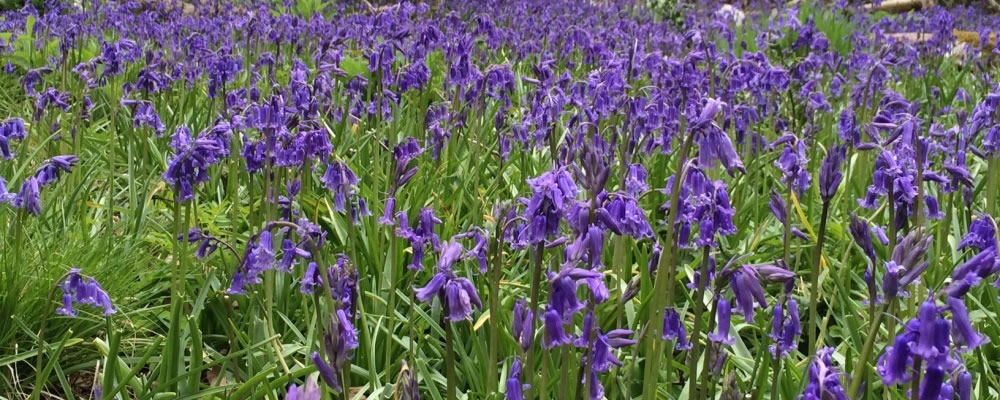
Zebon Copse Local Nature Reserve, in the north of Hampshire, is rich in colour from spring through to summer. The woodland is home to many ‘ancient woodland indicator’ plants – species that spread slowly and suggest the area has been wooded for hundreds of years.
Bluebells carpet the main woodland area from April to May, while the boardwalk across the wet mire reveals a beautiful display of marsh flowers from April right through to August. Old banks and boundaries, along with the incredible variety of plants and insects, suggest that woodland has existed here since at least the 1600s, making this a truly special place to explore.
4. The Meon Valley Trail
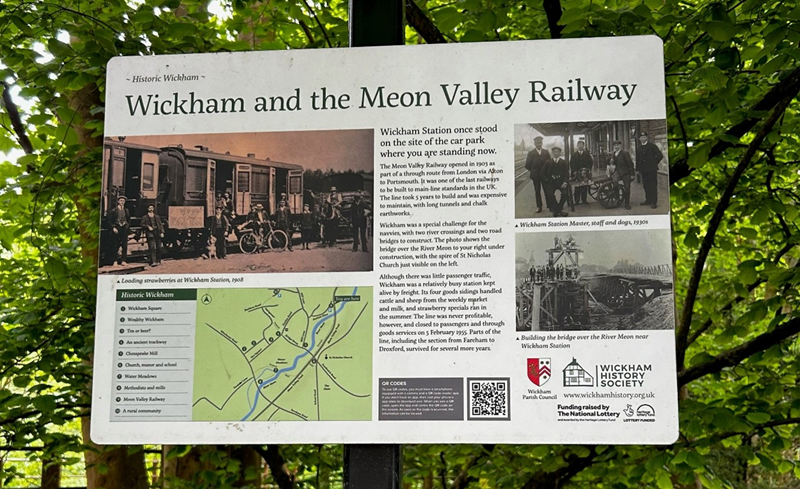
The Meon Valley Trail provides car-free access into the South Downs and is perfect for a relaxed spring wander or cycle. Stretching 11 miles from West Meon in the north to Wickham in the south, the trail follows a former railway line that once transported local livestock and agricultural produce.
Today, it links rural communities while showcasing the stunning scenery of the Meon Valley. Along the way, you’ll pass woodlands and verges bright with spring flowers, including bluebells in wooded sections. The trail also connects to long-distance routes such as the Wayfarers’ Walk and the South Downs Way National Trail. Visitors are encouraged to share the space considerately and respect other trail users.
Watch our video on the Meon Valley Trail.
5. Westwood Woodland Park
A hidden gem on the edge of Southampton, Westwood Woodland Park Local Nature Reserve offers 200 acres of grassland, ancient woodland, and coppice woodland to explore. In spring, the coppice areas are filled with bluebells, creating tranquil pathways through the trees.
The park is also steeped in history. Look out for hidden World War II remains, medieval ditches that once ran to the abbey, and a disused Victorian boating lake nestled among the woods. If you fancy a change from blue, the grasslands are dotted with cowslips at this time of year, adding another splash of colour to your walk.
Enjoy bluebells responsibly
There are many other fantastic places across Hampshire to see bluebells, but it’s important to enjoy them responsibly:
- Native bluebells are protected by law in the UK under the Wildlife and Countryside Act, 1981. Do not pick, uproot, or damage them
- Stick to marked paths to protect delicate bulbs beneath the soil
- When taking photos, avoid stepping into bluebell patches for the perfect shot
By treating these special places with care, we can ensure that Hampshire’s bluebell displays continue to be enjoyed for generations to come. So lace up your walking boots, grab your camera, and embrace the beauty of spring in the Hampshire countryside.