
Hampshire’s remarkable wild orchids
Discover wild orchids in Hampshire, from rare red helleborines to bee orchids, and learn how conservation is protecting these fragile species.
read ( words)
Jun 9 2026
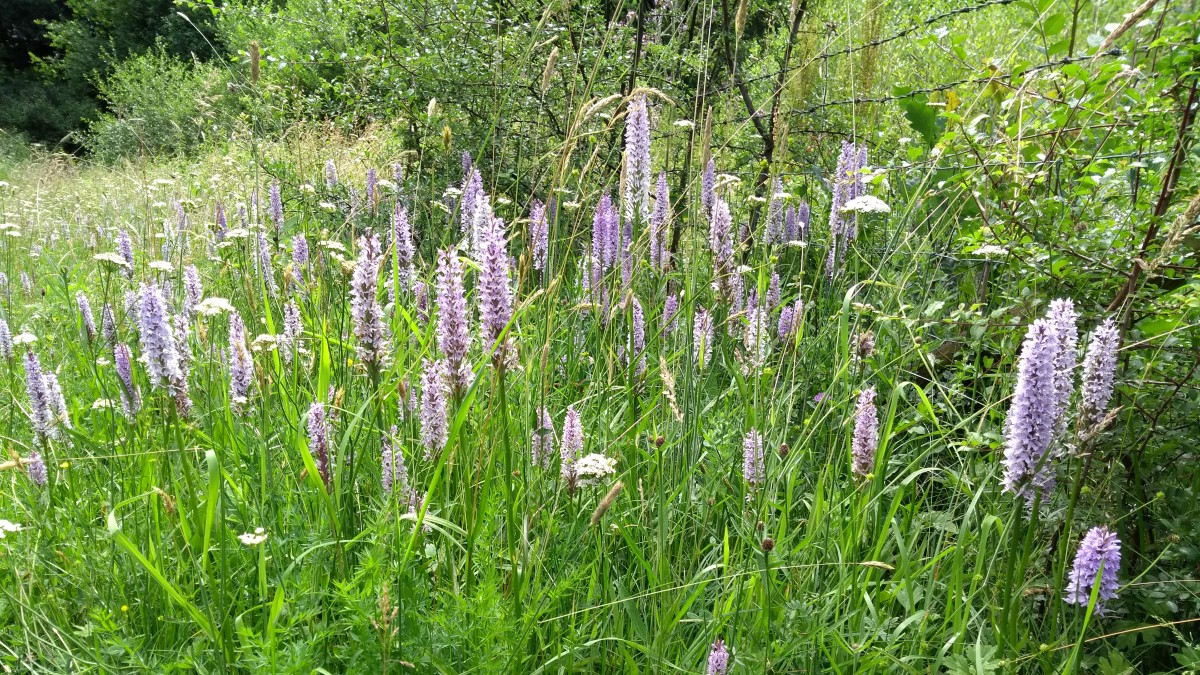
Across Hampshire, our countryside sites support a remarkable diversity of wild orchids, each perfectly adapted to its surroundings. From open chalk downland to shady woodland rides and species-rich meadows, these beautiful plants bring colour and character to our landscapes while playing an important role in supporting biodiversity. Their presence is also a sign of a healthy, well-managed environment.
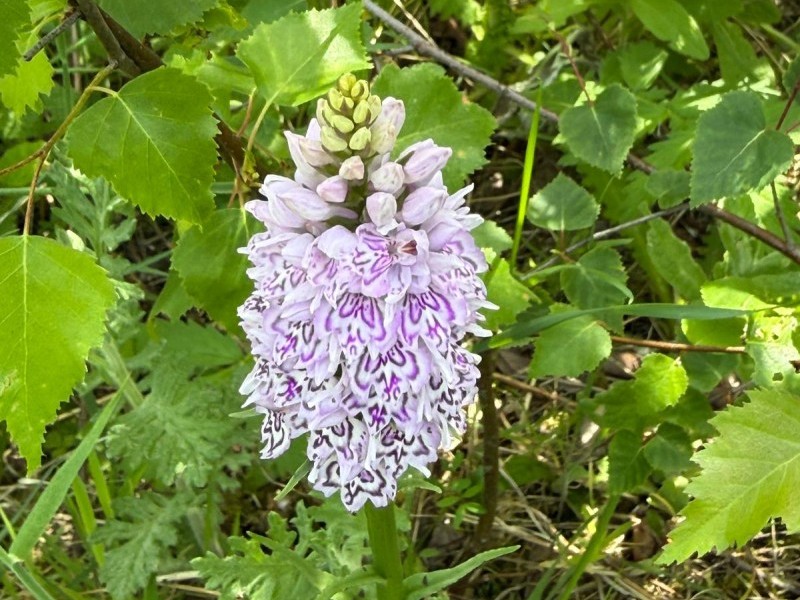
Common spotted orchid
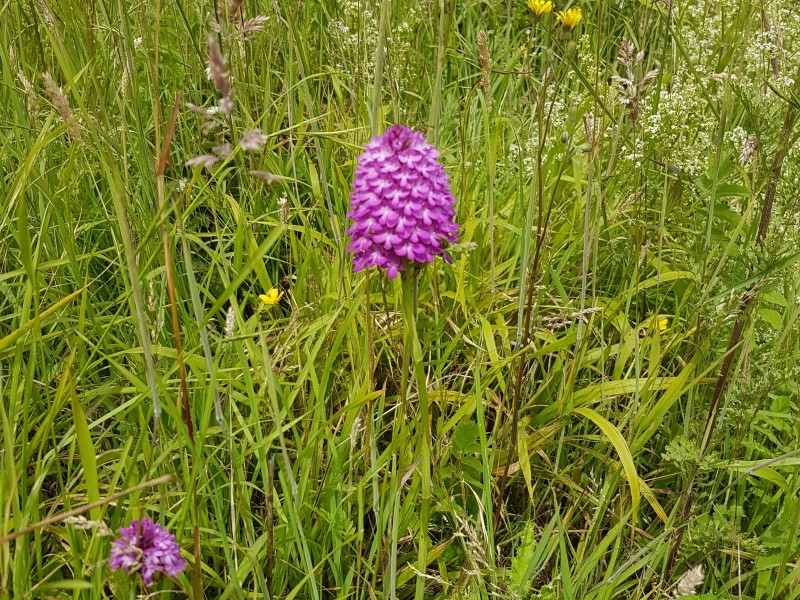
Pyramidal orchid
When to spot orchids
Late spring and early summer are the best times to spot orchids across our sites. Common spotted orchids and early purple orchids are among the most recognisable, adding vibrant colour to grasslands, while bee orchids use clever mimicry to attract pollinators. In quieter, more sheltered spaces, species such as broad-leaved helleborine and the unusual bird’s-nest orchid thrive in lower light conditions. Across our eastern National Nature Reserve sites, an impressive range of species has been recorded, including frog orchids, fly orchids, greater butterfly orchids, twayblade and autumn lady’s tresses, reflecting the variety of habitats we care for.
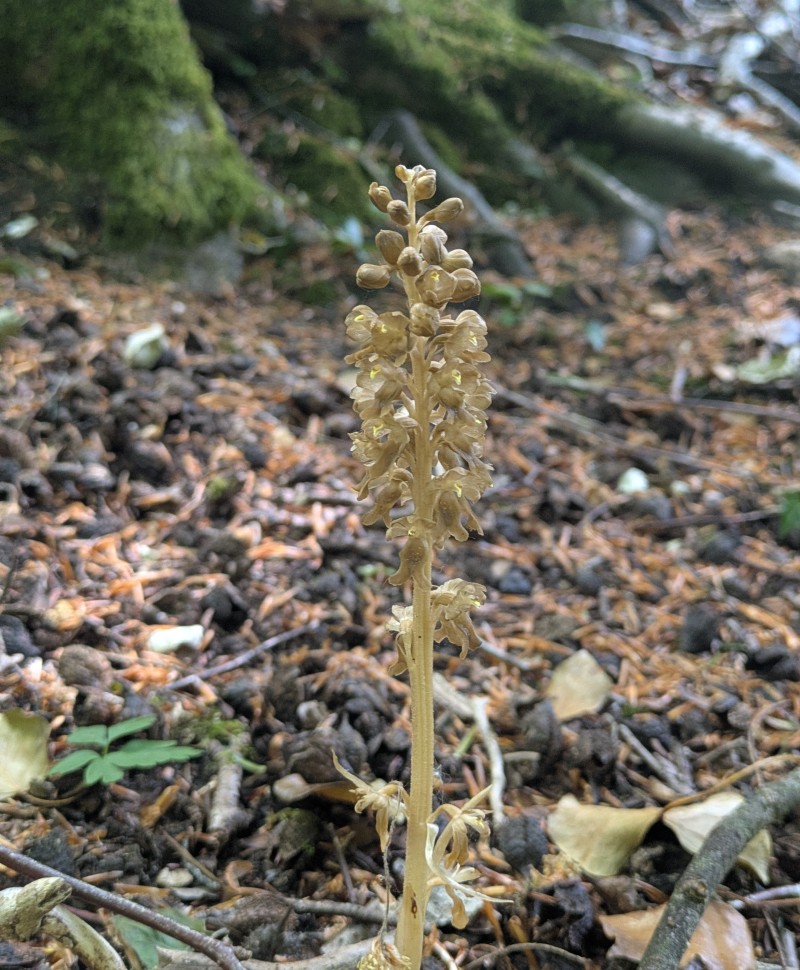
Bird's-nest orchid
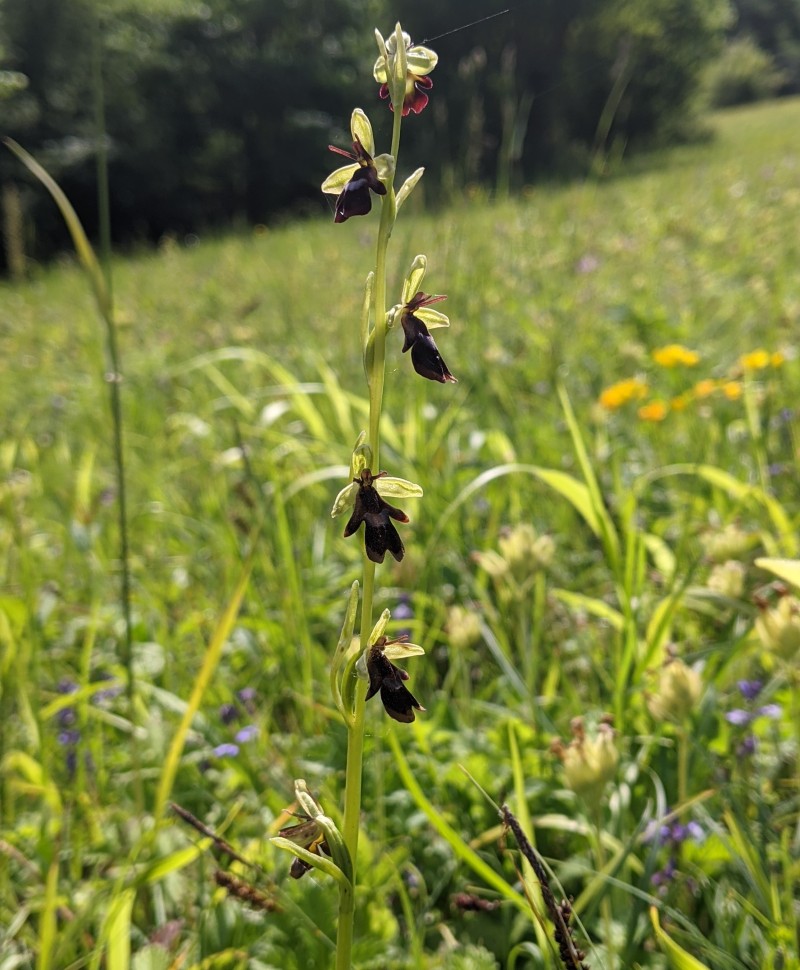
Fly orchid
The return of the rare red helleborine
Some of Hampshire’s orchids are particularly rare and sensitive. In the chalklands of East Hampshire, targeted conservation work supported by £98,000 of funding from Natural England has helped protect the scarce red helleborine. One of Britain’s most threatened orchid species, it is estimated that fewer than 20 plants are recorded each year. Its recent reappearance in it’s non-flowering form after nearly two decades highlights both the fragility of these orchids and their remarkable ability to recover when the right conditions are carefully restored.
This success is the result of careful, targeted conservation work. Rangers have protected key areas with fencing to reduce grazing pressure and give these plants the space they need to recover. However, these orchids remain vulnerable. Changes in habitat, trampling, grazing and wider environmental pressures have all contributed to long-term declines. Even more widespread orchids face challenges, as they rely on a very specific relationship with fungi in the soil to successfully grow.
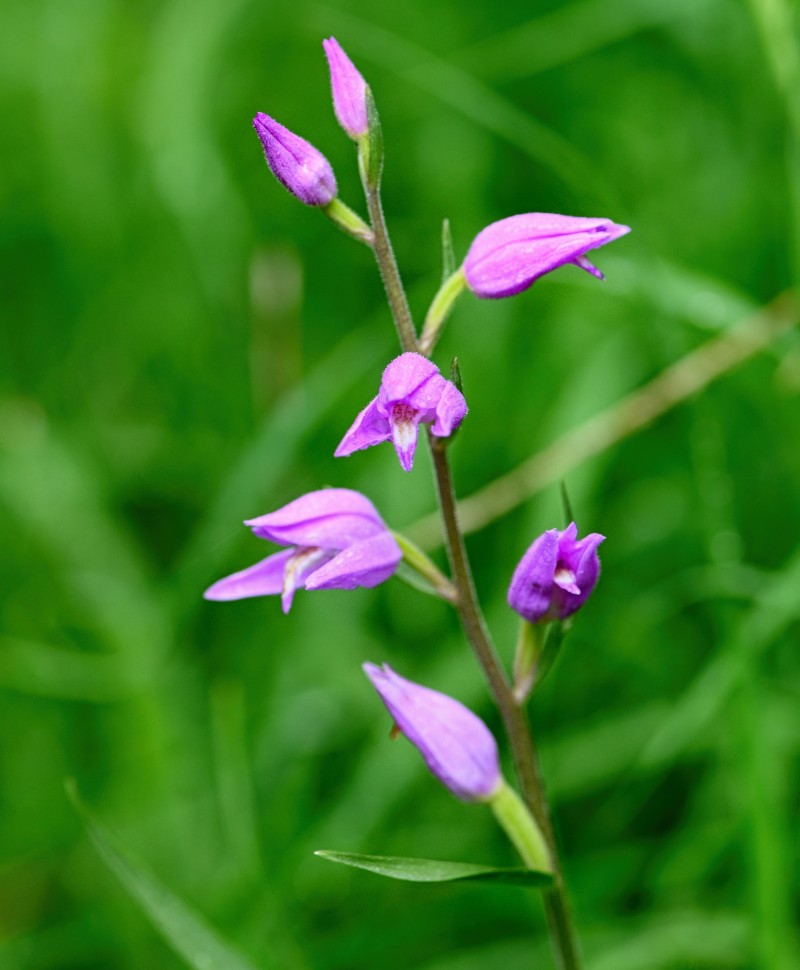
Red helleborine orchid
How we’re managing habitats
Across Hampshire, our teams are working to support orchids through habitat management. Grass cutting is timed to allow orchids to flower and set seed, often delayed until late summer. Invasive species are controlled to reduce competition, and conservation grazing helps maintain the open conditions these plants depend on. In some areas, this work is already showing encouraging results, with orchid populations stabilising or increasing.
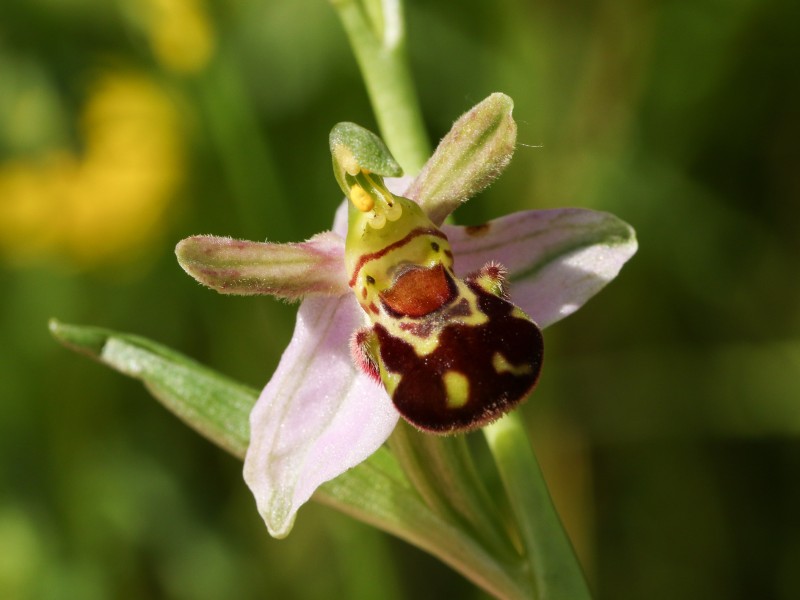
Bee orchid
How you can help
If you would like to see Hampshire’s orchids for yourself, many can be seen between May and July across our countryside sites.
When visiting, please help us protect these special plants. Orchids are easily damaged and should never be picked or disturbed. Sticking to marked paths, avoiding trampling and keeping dogs under close control can make a real difference. By taking a little care, you’ll be helping to protect Hampshire’s orchids for years to come.
Find out more about Hampshire's countryside and plan your visit