
Nurdles in Hampshire: The tiny plastic with a big impact on our coastal ecosystems
read ( words)
Sep 15 2026
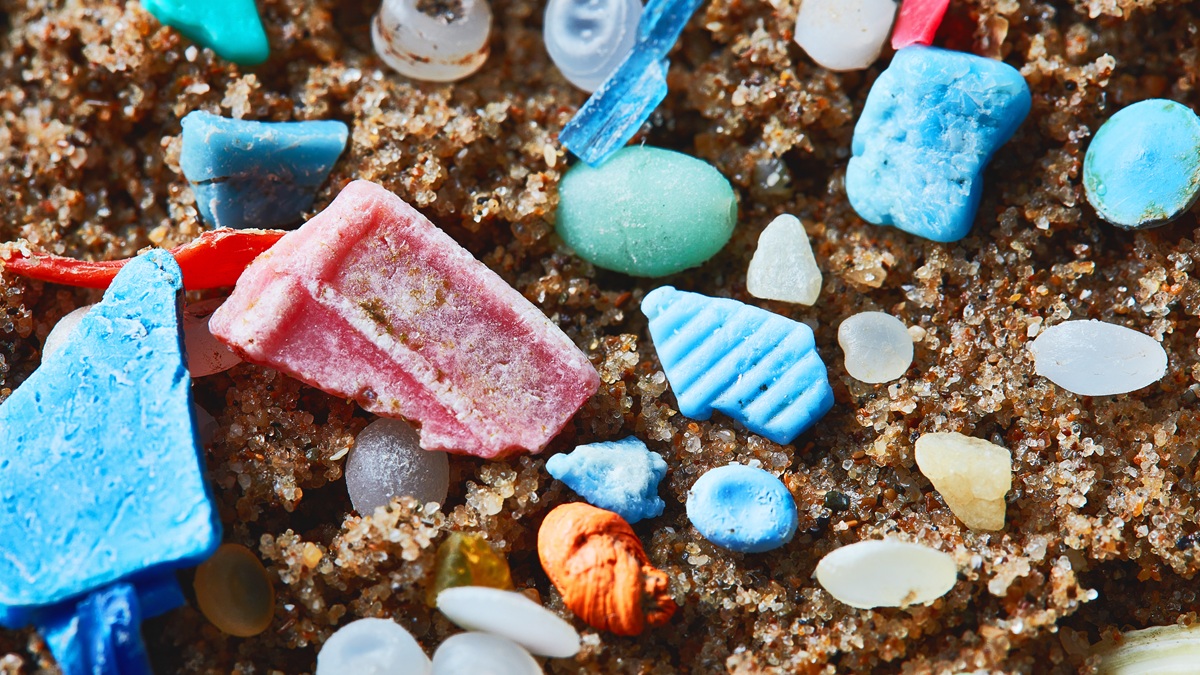
If you've ever walked along a beach and spotted tiny, round plastic pellets among the sand and shingle, you may have encountered nurdles. These plastic pellets are usually around 2-5mm long, about the size of a lentil, and they are one of the lesser-known forms of plastic pollution, yet they are having a significant impact on coastal environments across the UK, including in Hampshire.
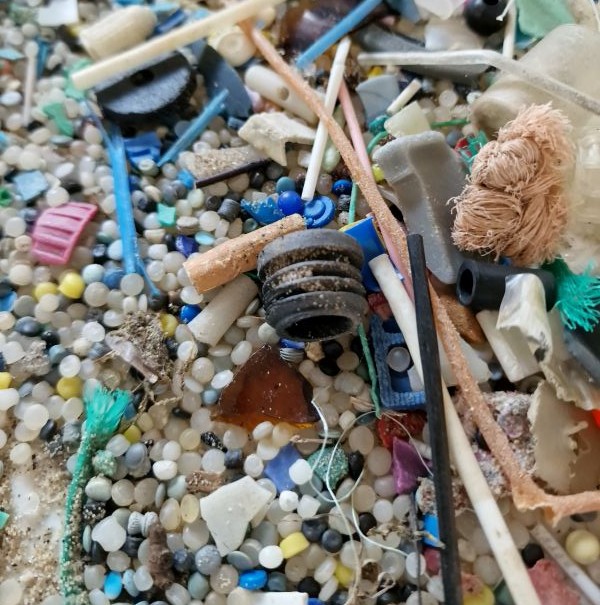
Where do nurdles come from?
Nurdles are transported around the world by road, rail and ship before the raw pellets are processed in factories to make many everyday plastic products from water bottles and food packaging to toys. Unfortunately, spills can occur during this journey, allowing millions of nurdles to escape into rivers, seas and coastal environments.
In Hampshire, concerns about nurdle pollution have grown in recent years with the Hampshire and Isle of Wight coastline, including areas around Southampton Water and the Solent affected. Environmental groups have reported finding nurdles on local beaches and have highlighted the need for greater awareness and action to prevent them entering the marine environment and cleaning up the existing ones. Ongoing research includes testing the nurdles to figure out where in the world they entered the ocean.
Why are nurdles such a big problem for our coastal ecosystems?
The problem with nurdles is that, unlike natural materials, nurdles do not biodegrade. Instead, they break down into even smaller pieces of plastic, contributing to the growing problem of microplastic pollution. Due to their small size they can easily be mistaken for food by seabirds, fish and other marine wildlife. Once ingested, they can cause harm to animals and introduce plastics into the food chain. Nurdles can also absorb harmful chemicals from the surrounding environment, making them even more hazardous when eaten by wildlife.
Unlike larger pieces of litter, nurdles are incredibly difficult to clean up. They can become buried in sand, trapped among pebbles or washed back out to sea by the tide. Even dedicated beach clean volunteers often find it challenging to remove them in significant numbers.
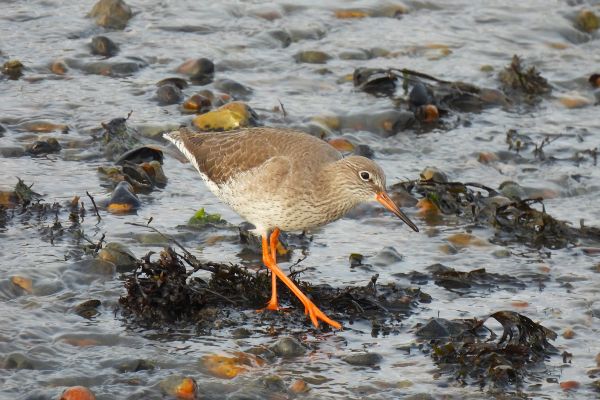
Photo credit: Bird Aware Solent
How can I help?
While nurdles may be small, their impact is not. Raising awareness of this hidden form of plastic pollution is an important step towards protecting Hampshire's coastline, wildlife and marine habitats for future generations.
You can help by:
- Spreading the word about Nurdles so more people know about them
- Taking part in a Nurdle Hunt
- Participating in a beach clean on your local beach
Many places such as Lepe Country Park are encouraging residents to get involved in activities such as the Great Nurdle Hunt which typically runs from early September to early October each year.
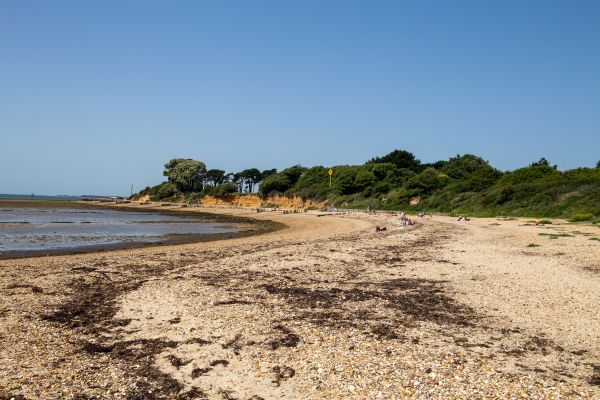
The Nurdle Hunt helps collect valuable data on the scale of plastic pellet pollution. By recording where nurdles are found, volunteers can help build evidence that supports stronger regulation and improved industry practices.
The Marine Conservation Society also runs regular beach cleans across the country to help protect marine environments that you can get involved in. It's a great way to get involved while getting out in the fresh air.
Watch our video for tips on how to make your beach clean wildlife friendly