
Hedgehogs: fireworks, highways and hibernation
How you can support our spiky friends this autumn.
read ( words)
Oct 27 2025
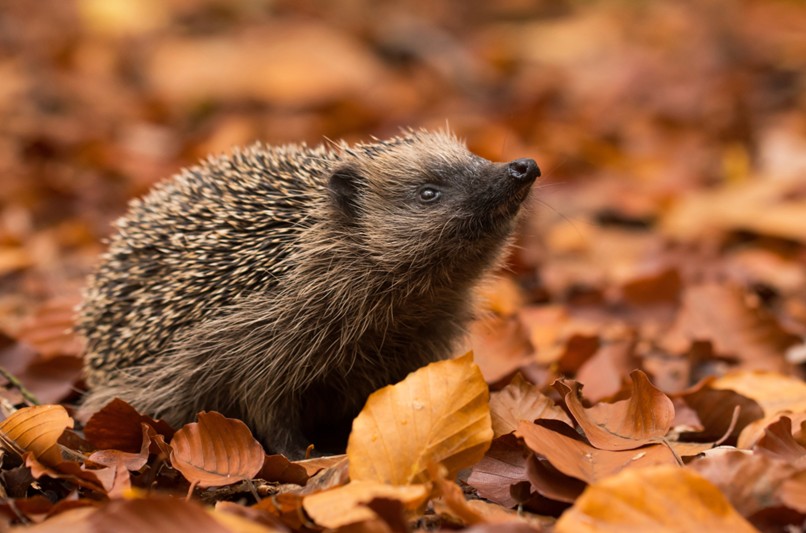
Hedgehogs are a gardener’s best friend. They’re great natural pest controllers, emerging at night to feed on slugs, snails, caterpillars and other small invertebrates, including beetles. You might be lucky enough to hear one snuffling through your garden in the late evening.
However, despite being so well-loved, hedgehog numbers have been in decline, with The State of Britain’s Hedgehogs Report in 2022 indicating around three quarters of rural hedgehogs have been lost in the last 20 years. Reasons for their decline include pressures on habitats they need for nesting and foraging, often caused by increased development and farming, plus the use of pesticides which have caused declines in the insects they prey on. But there is good news, with hedgehog populations in urban areas showing signs of recovery.
Here are a couple of ways that you can help support the hedgehogs in your local area this autumn.
Hedgehog highways
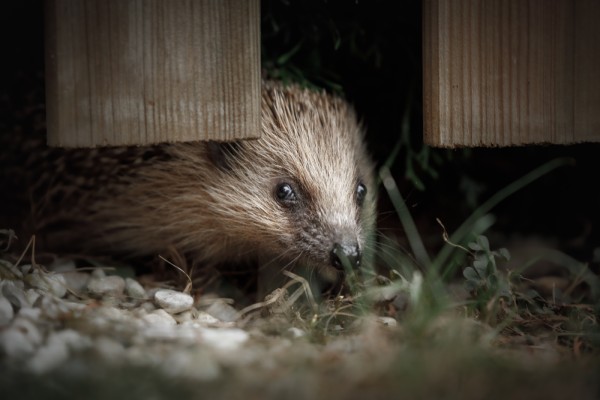
Hedgehogs are known to travel over a mile overnight in search of food – quite far for such little legs! However, where development and the number of roads has been increasing over time, hedgehogs and other wildlife are finding it harder to travel between spaces.
One of the most important things you can do to help hedgehogs is to consider creating a ‘hedgehog highway’. This can be done by creating a small hole in your fences at ground level (around 13cm by 13cm square ), so that they can travel between your and your neighbours’ gardens.
You can also try your hand at building a hedgehog house to help provide shelter and protect them from predators. Check out our video.
If you don’t have access to a garden, there are plenty of other ways you can get involved in helping wildlife, including volunteering to do some tree planting or taking part in a beach clean.
How you can help hedgehogs prepare for hibernation
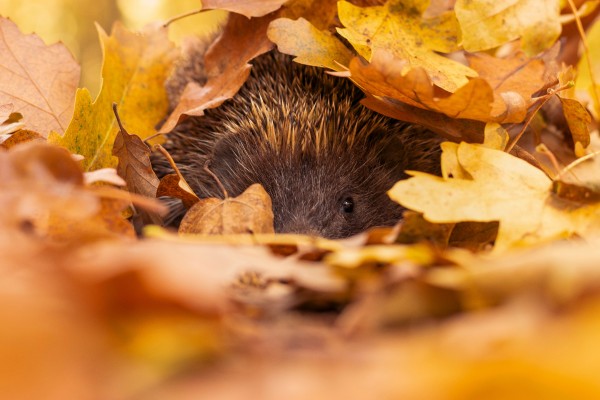
Hedgehogs spend the summer and early autumn busily stocking up on food. They then go into a long period of hibernation through the colder months (typically from November through to mid-March). This is when they slow their metabolism and breathing down to use as little energy as possible. They do this because food is hard to find during winter, so they rely on their fat reserves to survive until the warmer months, when food becomes plentiful again.
Bats, dormice and hedgehogs are the only mammals known to hibernate in the UK.
Hedgehogs will tend to prefer cool, quiet areas of your garden to hibernate in, and you can help them in autumn by leaving fallen leaves for them to use as nesting materials.
You can also help by checking long grass, leaf piles and areas of vegetation carefully before moving anything or before carrying out any strimming. This prevents any disturbance or potential injury to any hedgehogs who may be nesting.
Helping Hedgehogs: Safety Tips for Firework Season
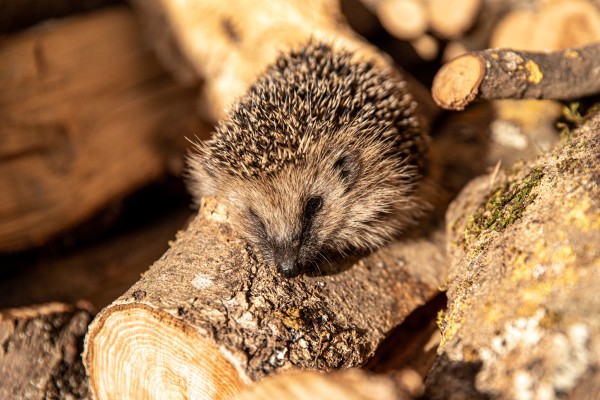
During firework season, hedgehogs need a little extra help to stay safe and stress-free. Loud bangs and bright lights can frighten these gentle nocturnal creatures, especially if they’re nesting in gardens or bonfire piles. To protect them, check wood piles thoroughly before lighting fires, keep garden areas quiet and undisturbed, and offer safe hiding spots like hedgehog houses or leaf piles.
Autumn isn’t the only time hedgehogs need our help
Year round, you can also help hedgehogs by remembering to lift up any nets - at least a foot above the ground - when they’re not in use as they can get very tangled in them thanks to their spines.
Follow us on Facebook and Instagram to see how we’re looking after nature in Hampshire, and subscribe to our newsletter to stay up to date with what’s going on in the countryside.