

Monitoring a mini forest
How to create a plan to assess the health of your mini forest and the benefits it provides over time.
Checking in on your mini forest helps you understand how well it’s doing. You’ll learn if the trees are surviving, healthy and growing, and whether the forest is helping local wildlife and people.
What data to collect
Think about what you want to learn about your mini forest. You might want to know:
- how many trees are still alive?
- how fast are the trees growing?
- are the trees helping local wildlife?
- do local people benefit from the mini forest?
To answer these questions, you might collect:
- tree survival data
- tree height
- how many pollinating insects are around
- local community feedback through surveys
Before you collect any data, make sure you have asked the right questions. If you have been given funding to build your mini forest, you may already have a list of data that you need to collect.
It's a good idea to include the following in your data collection plan:
Tree survival
It's helpful to keep an eye on how many trees are alive over time. For example, if you planted 1000 trees at the start, tag 25 to 50 trees in the first year. You can check each year if those trees are still alive. This gives you a good idea of overall survival rates.
Tree height
Measure the height of your tagged trees from the base to the top of the main stem after planting, and again each year. The trees in mini forests often grow faster than trees planted using other methods. It's important to see if this is true for your forest as mini forests need a lot of resources and time to create.
Tree health
Check your tagged trees to see if they look healthy. Include the following in your checks:
- leaf size. Trees that don't get enough water will grow smaller leaves
- signs of pests or disease
- leaf colour. Trees that haven't had enough nutrients may have leaves that turn yellow. Trees that haven't had enough water will have leaves that turn brown and crispy
- whether the tree is flowering or fruiting
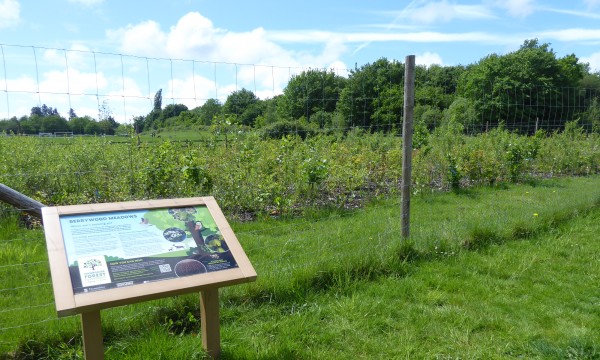
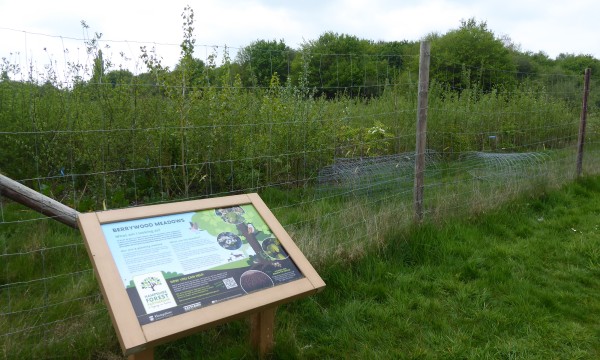
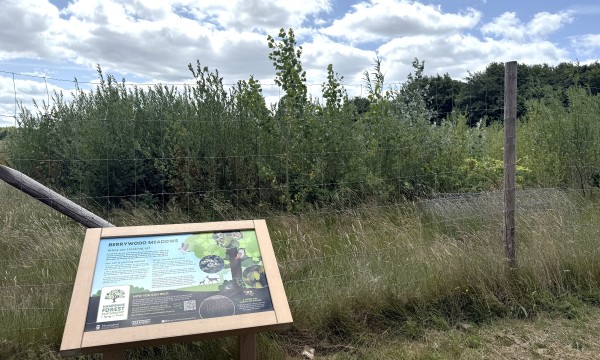
Fixed point photos
Take a photo of the trees from the same spot each year. Use a fixed landmark each time to keep the angle consistent. This will give you an idea of how well the trees are growing. You can also use a drone for aerial shots.
When to collect data
Think about when you might need to collect data at the start of your project. You might not be able to say if the mini forest has made a difference unless you collect some data before planting, or very soon after planting. For example, if you would like to know whether the mini forest helps local insects, you will need to survey the insects during the year before planting and every following year.
Tips:
- Some data should be collected at certain times of year
- Some data such as tree height should be collected at the same time each year. It’s important to monitor the same trees across the mini forest to keep your data accurate. You could mark your chosen trees with small tags
- Keep the method of data collection simple. This will make it easier to repeat it over time
Avoid collecting data that will never get used. Trees grow slowly, and it can take time for the benefits of a mini forest to show. Long-term tracking is key.
Sharing the results
Once you’ve collected your data, don't forget to analyse it and share it. It’s a great way to show how your mini forest is doing and get more people interested. If the forest is thriving, it can help attract more volunteers and support.