

Mini forest aftercare
How to ensure your mini forest thrives.
Mini forests need to be cared for during the first few seasons after planting to make sure the new trees become well established. After that mini forests can take care of themselves. This is the main benefit of mini forest planting over traditional forest planting methods.
Watering
Planting in autumn or early winter is ideal. The soil is damp, and tree roots have time to settle before spring. Some trees like elder continue to grow roots slowly through winter. This makes the trees stronger when they start growing again in spring.
You can plant mini forests in spring, but it’s more risky as weather patterns can be more unstable. Dry spring weather can kill young trees. If you plant a mini forest in late winter or early spring you must water it regularly for a few months unless the weather is very wet.
You should regularly check the trees in your mini forest for signs of drought stress. A tree with drought stress can have:
- wilted leaves, especially in the morning. Wilting in late afternoons on warm, dry days may not be a problem
- smaller leaves than usual. This can be caused by the plant trying to conserve water
To check soil moisture, dig around 5cm (2 inches) down into the soil. If it feels cool and damp here, the trees probably have enough water. Don’t rely on the colour of the mulch to tell you how wet the soil underneath it is. Mulch can dry out or stay damp depending on the weather, so it’s not a reliable guide.
If your trees look like they have drought stress, give them some water. It is best to:
- give trees a single long soak, rather than watering little and often. The water will soak deeper into the soil, helping the roots to grow further down. This makes trees more drought-resistant as they can get to water held deeper down in the soil
- give trees a deep soak once every week or fortnight. Use a water bowser or nearby water source during dry spring and early summer months. It's important to do this during the first spring and summer after planting, but it's worth checking the trees in the following season in very dry conditions
Weeding
Even though you remove the turf and add mulch to mini forest planting sites, weeds will probably still grow there.
A bit of weed growth will not hurt the trees and it can provide a good habitat for wildlife. If there are a lot of weeds, they can compete with the trees for water and it's best to remove them.
When to weed your mini forest
You will need to weed in the first growing season after planting. You will also need to weed for another 2 to 4 years after that. You can stop weeding once the trees are big enough to provide enough shade to reduce the number of weeds.
The best times to weed are in spring and early summer. This is when trees grow more and will need the most water, and reducing competition from weeds will have the greatest effect. It will also reduce the chance for weeds to produce seeds and to spread further.
How to weed
- Pull weeds out by the roots. If you don't, they can regrow in a few weeks
- Focus on weeding a 50cm area around each tree. This helps the trees the most, and means you don't have to find enough people to weed the whole site
- Compost weeds if you can. You can create a compost heap in a corner of your site, which will support wildlife. Some weeds like bindweed may not break down properly in a compost heap unless it gets really hot. Try to put bindweed and weeds that have seeds on them in a green waste bin to be collected
Re-mulching
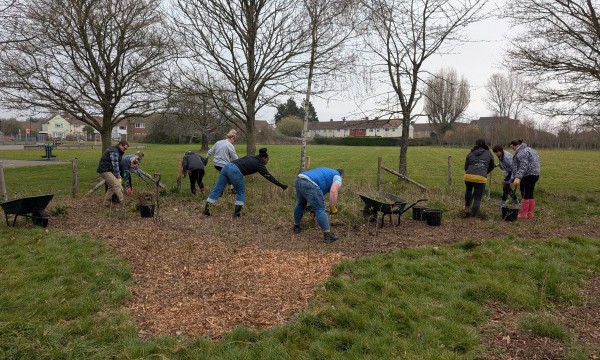
Mulch breaks down over time as fungi, bacteria, and creatures like worms, woodlice, and beetles feed on it. This is good for the soil but leaves it bare and at risk of weed growth and drying out in the sun.
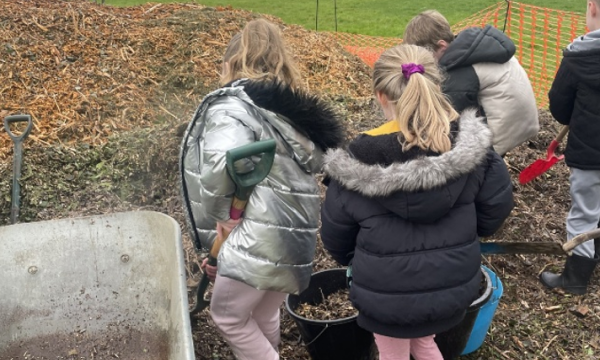
Reapply mulch such as woodchip every year to keep the young trees healthy. You can stop once your forest creates its own mulch from fallen leaves.
Longer term – fence removal
Fencing protects young trees from damage by animals or people. It’s usually needed for the first 3 to 5 years after planting. Once the trees are strong enough to cope with some damage from animals, sports or people, you can remove the fence.
After the first few years, the trees should have plenty of side branches. Together with the dense planting of the trees, this should naturally discourage people and larger animals from walking through, except on paths.
Fencing can often be reused elsewhere so don't throw it away.