Silvoarable systems
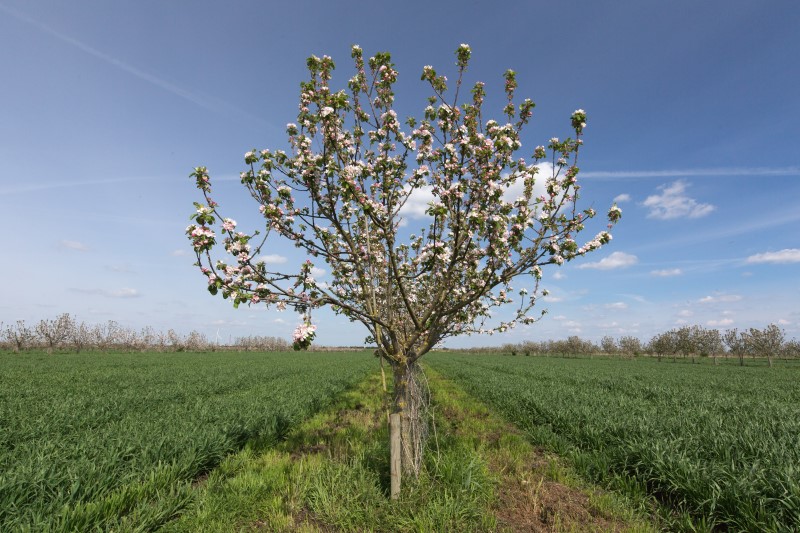
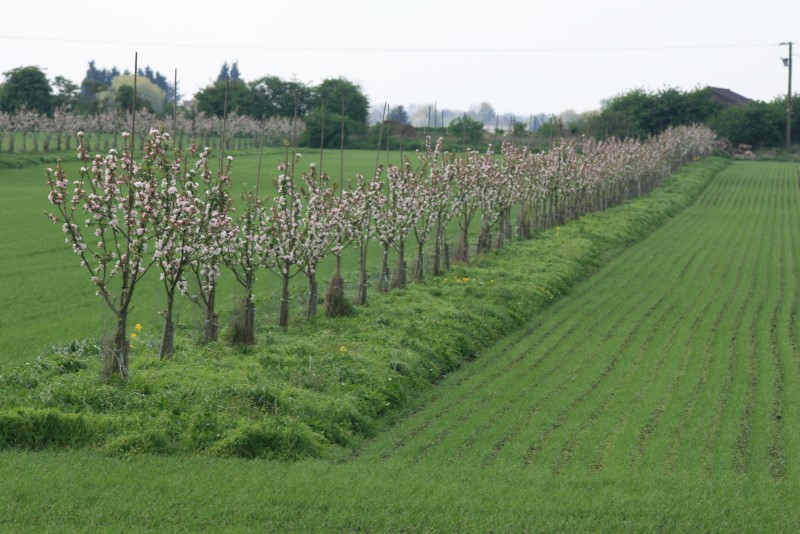
Silvoarable systems have an arable component.
Management and market issues
It is important that objectives are clear. Harvesting and management of the tree crop should not interfere with arable options. Variety selection will help to make sure harvest is at a time when interference with the crop is at a minimum. Freshness and flavour are key issues when competing with imported products.
Grants for silvoarable systems
Given the low planting density, most Forestry Commission tree establishment grants would not currently be appropriate.
Hampshire Forest Partnership have several funding schemes both for farmers and landowners and local communities.
The Woodland Trust is supporting agroforestry establishment and will cover most costs. This is available on first come first served basis.
Many Environmental Land Management (ELM) payments can be appropriate and if stacked could be attractive. Agroforestry payments will be available as part of the Sustainable Farming Incentive (SFI). These may require Environmental Impact Assessments (EIA). Crop (e.g. wildflowers) strips in silvoarable systems may be eligible if part of habitat creation under the Biodiversity Net Gain scheme.
Hampshire Forest Partnership may also be able to provide funding support for example in relation to our programme Shoots Along the Routes. They can also supply free elm trees as part of a scheme to reintroduce disease resistant hybrids to Hampshire to benefit nature recovery (available each year on a first come first served basis).
Impact of silvoarable systems
Environmental impacts include land and water decontamination, increased biodiversity, and reduced flooding. Social benefits especially in peri-urban areas include increased access to green space and educational benefits.