

Surveys for mini forests
How to test the soil and decide which tree species to plant.
The Miyawaki method states that mini forests should mimic natural woodland. Once you have selected a site, you need to think about what natural woodland would be like in that area. No part of the UK is truly natural due to centuries of human influence, but there is plenty of useful information online and at your site to guide you.
You need to make two main decisions:
- What kind of soil you have and what does it need to allow trees to grow well?
- Which trees and shrubs to plant
Soil Testing
Healthy soil is key to healthy tree growth. Healthy soil is full of life, from animals that we can see, such as earthworms, to microscopic life forms and mycorrhizal fungi. In urban areas, soil is often compacted by machinery and foot traffic. This squeezes out the air spaces that hold water and oxygen, which are needed for healthy soil microbes and tree root development.
Healthy soils help trees to:
- Grow quickly
- Easily get water and nutrients
- Cope better with extreme weather
Basic soil tests can tell you what your soil needs. You don't need special tools or expert advice. Try digging a small pit on your site. Healthy soil is dark brown or black, with a crumbly texture. It should contain many earthworms or tiny insects.
The Miyawaki method improves soil health by digging out the compacted soil and mixing it with soil-improving materials. The materials used will depend on what the soil needs. If you have heavy clay soil at your site, you can add rough materials like chopped straw to create space. If you have sandy or shallow soils, you can add organic compost or well-rotted manure to improve the soil’s ability to hold moisture. It also adds nutrients to the soil.
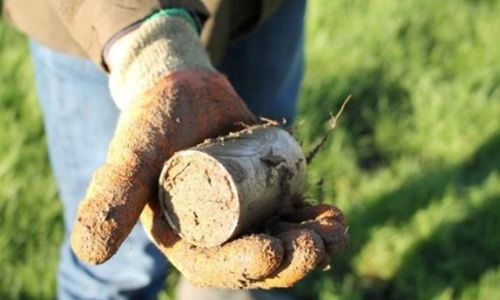
Soil testing at the mini forest in Berrywood Meadows, Hampshire.
Tree species
Pick trees and shrubs that suit your site and local conditions. A lot of research has been done to find species for planting projects that:
- cope well with climate change
- support wildlife
- thrive in urban areas
- resist pests and diseases
Thanks to research we have a good idea of which native trees are appropriate to plant in different settings.
Have a look at what’s already growing on or near your site. This will show you what trees and shrubs do well in the local conditions. Use online guides and tools to help you identify existing trees.
Read our tree species selection guide.
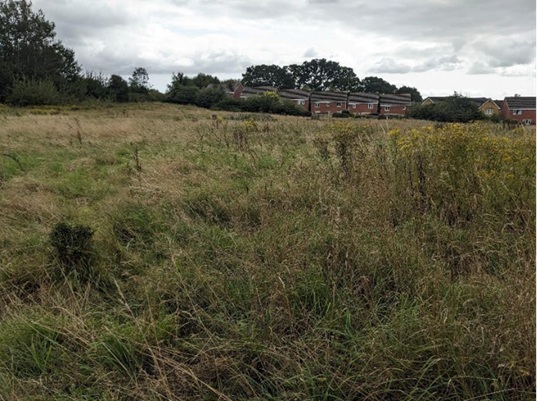
At Twynam’s Field in Knowle Park, Fair Oak and Horton Heath Parish Council used an ecological survey to help them come up with a management plan for the site. The survey listed the existing trees and helped the council start a tree species list for their mini forest.
Did you know trees can talk to each other?
Mycorrhizal fungi, also known as mycorrhizae (pronounced “my-cor-eye-zee”), are microscopic fungi that live in healthy soils and form connections in the soil, sometimes known as the ‘wood-wide web’.
Trees within woodlands are connected by this fungal network and that they can communicate with each other through chemical signals flowing along the fungal strands, or ‘hyphae’. Trees from different species may even be able to help each other by sharing resources or warning other trees of danger.
You can add mycorrhizae to newly planted areas to kick-start these networks. High-quality compost and manure can also introduce beneficial life to poor-quality soils.